
Casinos Not on GamStop: A Plain-English Guide for UK Players
 Available in GB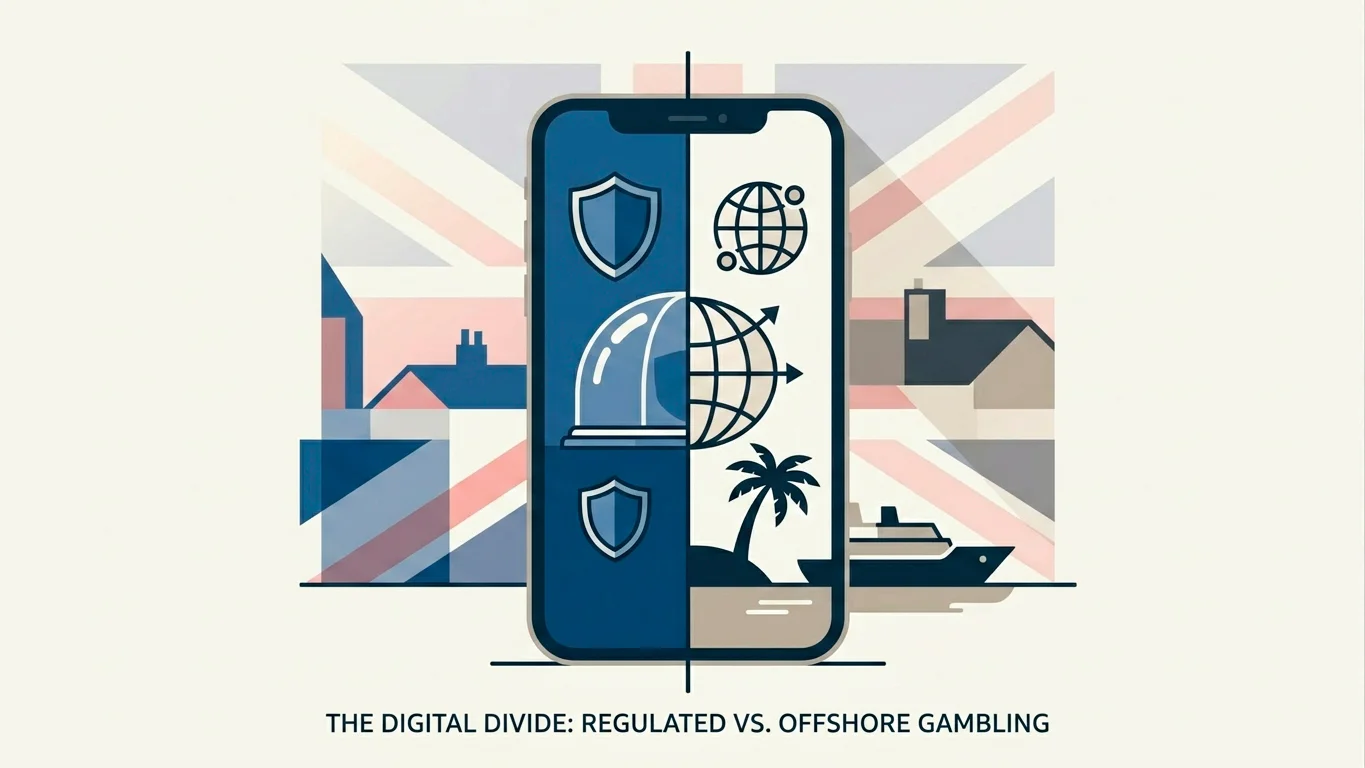
What “not on GamStop” actually means, why these sites exist, and the trade-offs every UK player should weigh before going offshore.
By Daniel Fairhurst, Gambling Regulation Analyst
A casino not on GamStop is an online casino that does not take part in GamStop, the national self-exclusion scheme for Great Britain. GamStop launched in April 2018 and, by the end of 2025, around 562,000 people had registered with it. Because the scheme only binds operators that hold a UK Gambling Commission licence, casinos licensed abroad sit outside it entirely. This guide walks through how that gap works, what the law actually says, and what you give up if you use these sites.
Table of Contents
- The short version, before you read on
- What “not on GamStop” really means
- Our top casino picks for the UK
- How GamStop works and what it cannot block
- The UKGC, the Gambling Act and the legal position
- A structured comparison of offshore operators
- Where these casinos are actually licensed
- The protections you give up offshore
- Weighing the appeal against the risks
- Why tighter UK rules push players abroad
- Payments, crypto and the no-verification claim
- Where to go from here
- If gambling stops feeling like a choice
- About the author
- Common questions answered
The short version, before you read on
- GamStop only blocks operators licensed by the UK Gambling Commission (UKGC); offshore-licensed casinos fall outside its reach by design, not by accident.
- For an individual UK player, using an offshore casino is not a criminal offence. The Gambling Act 2005 places the legal duty on the operator, not the player.
- Going offshore means losing UK consumer protection: no UKGC-approved dispute resolution, weaker fund-safety rules and limited recourse if something goes wrong.
- These sites carry their licences from places such as Malta, Curaçao, Gibraltar or Anjouan, and the strength of protection varies enormously between them.
- If you registered with GamStop to take a break, an offshore site removes the very barrier you chose to put up. Support and a proper exit route are covered near the end.
What “not on GamStop” really means
The phrase sounds technical, but it describes something simple. A casino “not on GamStop” is an online gambling site that has chosen not to connect to GamStop, the central database UK-licensed operators use to spot self-excluded customers and turn them away.
In practice, that almost always means the casino is licensed somewhere other than Great Britain. UK-licensed operators have no choice in the matter, so a site that is not on GamStop is, by definition, sitting outside the UK system.

That is the heart of the category. It is not a special type of game or a clever loophole built into UK law. It is a description of where a casino is regulated, and whether it has plugged into the national self-exclusion register that British operators must use.
If you want the mechanics in detail, our companion guide on how casinos not on GamStop work sets out the operator side; this page keeps to the plain-English overview.
Our top casino picks for the UK
- SlotoSportBonus: 500% up to £ 10 200+ 777 FS · Payout speed: 1-3 business days
- NightLuckBonus: Welcome Pack + 805% Up To 6400€ + 280 FS · Payout speed: 1-3 business days
- SpinFormulaBonus: 550% Up To £15,000 + 550 FS · Payout speed: 1-3 business days
- BeOnBetBonus: 100% up to €500 + 100 FS · Payout speed: 1-3 business days
- DieselwinBonus: Welcome Pack 250% up to £4000 + 200 FS · Payout speed: 1-3 business days
- ChanzeBonus: Slots Welcome Bonus #1 200% up to €500 · Payout speed: 1-3 business days
How GamStop works and what it cannot block
GamStop is run by National Online Self-Exclusion Scheme Limited (NOSES), now branded the Gamstop Group, with Fiona Palmer as chief executive. It launched in April 2018 and became a mandatory licence condition for UKGC-licensed online operators in 2020.
When you register, you give your name, date of birth, email, address and mobile number, then pick an exclusion period: six months, one year, five years, or “five years with auto-renewal”, the de facto lifetime option added in December 2024. Almost half of people choosing the long option now pick auto-renewal.
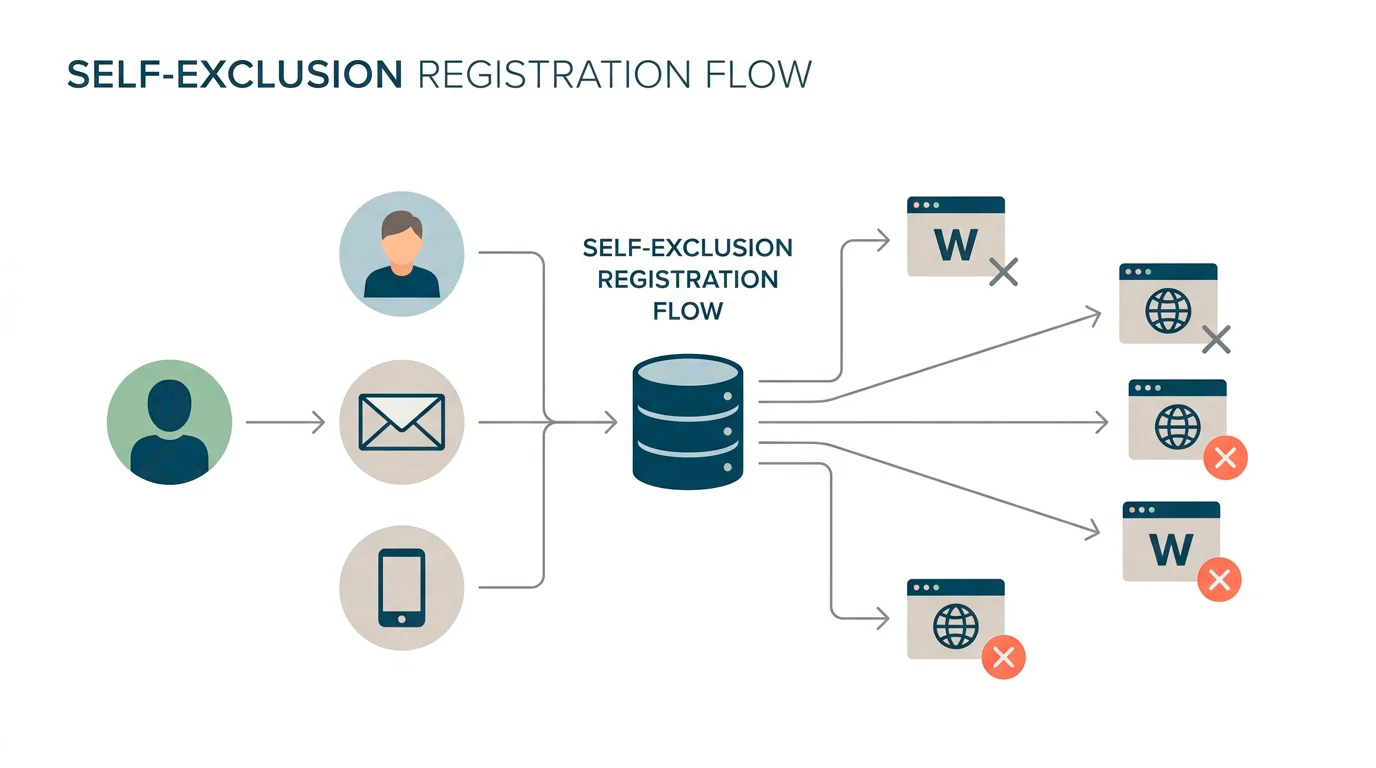
Here is the crucial point for this whole topic: GamStop’s reach is jurisdictional, not technical. It only binds operators that hold a UKGC licence. Offshore casinos, land-based venues and the National Lottery all sit outside it.
That single fact is what creates the “not on GamStop” category. It is also why a self-exclusion that feels watertight on UK sites does nothing to stop sign-ups at a casino licensed abroad. To see exactly how GamStop self-exclusion works and where its edges are, the cluster guide goes deeper than we can here.
Worth holding onto
GamStop blocks UK-licensed operators only. Offshore sites are not “beating” the scheme; they were never inside it in the first place.
The UKGC, the Gambling Act and the legal position
Great Britain regulates online gambling through the UK Gambling Commission (UKGC), the independent statutory regulator created by the Gambling Act 2005 (c.19), which received Royal Assent on 7 April 2005. The Commission licenses operators, sets the rules and runs the public licensing register.
A later law, the Gambling (Licensing and Advertising) Act 2014, closed an old gap. It introduced the “point of consumption” principle: any operator serving customers in Great Britain needs a UKGC licence, wherever the business itself happens to sit.

So what does this mean for you as a player? The law puts the obligation on operators, not on individuals. Running or marketing an unlicensed casino to GB consumers is unlawful for the operator. Simply using an offshore site is not a criminal offence for the player.
That asymmetry matters, and it is widely misunderstood. The full detail, with the relevant sections cited, sits on our page covering the legal position for UK players. You can also read the primary text yourself at legislation.gov.uk and check operator licences on the UK Gambling Commission register.
A structured comparison of offshore operators
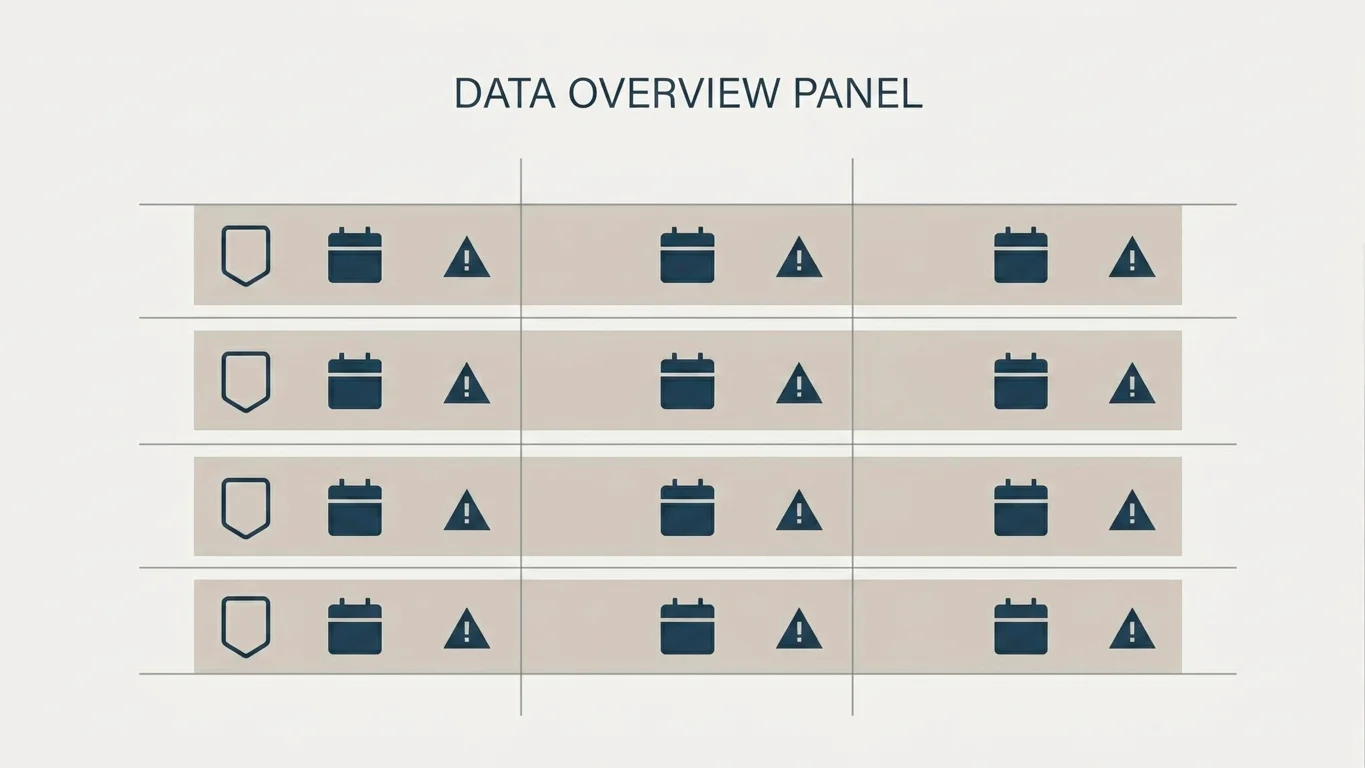
Most pages in this niche rank casinos as “best” or “top”. This one does not. The table below is organised around licence jurisdiction, age and risk markers, because for offshore sites the protections that matter are tied to where the licence comes from, not to a star rating.
Every row carries at least one objective risk marker. None of these entries is a recommendation, and operator names are deliberately omitted where a licence could not be independently verified on a regulator’s register. Treat this as a framework for asking the right questions, not a shortlist.
| Operator / category | Licence / jurisdiction | Founded (era) | Key characteristics | Risk profile | Details |
|---|---|---|---|---|---|
| Malta-licensed offshore site | Malta Gaming Authority (MGA) | Established market (2000s onward) | Stronger of the offshore frameworks; published rules and an ADR pathway | No UKGC protection; no GamStop participation; MGA disputes resolved abroad, not under UK rules | Jurisdictions compared |
| Gibraltar / Isle of Man site | Gibraltar or Isle of Man regulators | Established (1990s-2000s) | Long-standing hubs with reasonable oversight relative to lighter jurisdictions | No GamStop coverage; UK consumer remedies do not apply; fund-safety depends on local rules | Jurisdictions compared |
| Curaçao-licensed site | Curaçao Gaming Control Board | Widespread; reformed from 2023 | Common for crypto and fast-onboarding sites; recently restructured licensing | Lighter historical oversight; limited dispute resolution; verify the licence directly | How to verify a licence |
| Anjouan-licensed site | Anjouan (Comoros) Offshore Finance Authority | Newer entrant (grew after 2023) | Low-cost, light-touch licence that expanded after the Curaçao reforms | Minimal oversight; thin track record; the highest due-diligence burden falls on you | How to verify a licence |
| Crypto-first offshore site | Typically Curaçao or Anjouan | Recent (post-2018 wave) | Bitcoin and stablecoin deposits; fast sign-up; large headline bonuses | Chargebacks rarely possible; KYC often deferred to withdrawal; no UK fund protection | Payments and ID checks |
| “No-verification” marketed site | Varies; often Curaçao | Recent | Promotes minimal ID checks as a selling point | Checks frequently re-appear at cashout; withdrawal delays and refusals are a known pattern | The no-verification reality |
This table is for information only and is not gambling, legal or financial advice. Statuses such as “in comparison” or “in testing” describe research stages, not endorsements. Licence strength, fund safety and dispute resolution vary widely between operators even within the same jurisdiction. Always confirm a current licence on the relevant regulator’s own register before depositing. 18+.
Where these casinos are actually licensed
“Offshore” is not one thing. The jurisdiction a casino is licensed in tells you a great deal about the rules it follows and the recourse you would have if a dispute arose.
Broadly, players in the UK encounter a spectrum. The Malta Gaming Authority sits at the stronger end, followed by Gibraltar and the Isle of Man, then the Curaçao Gaming Control Board, with Anjouan as a newer, lighter-touch entrant that grew after Curaçao reformed its system in 2023.
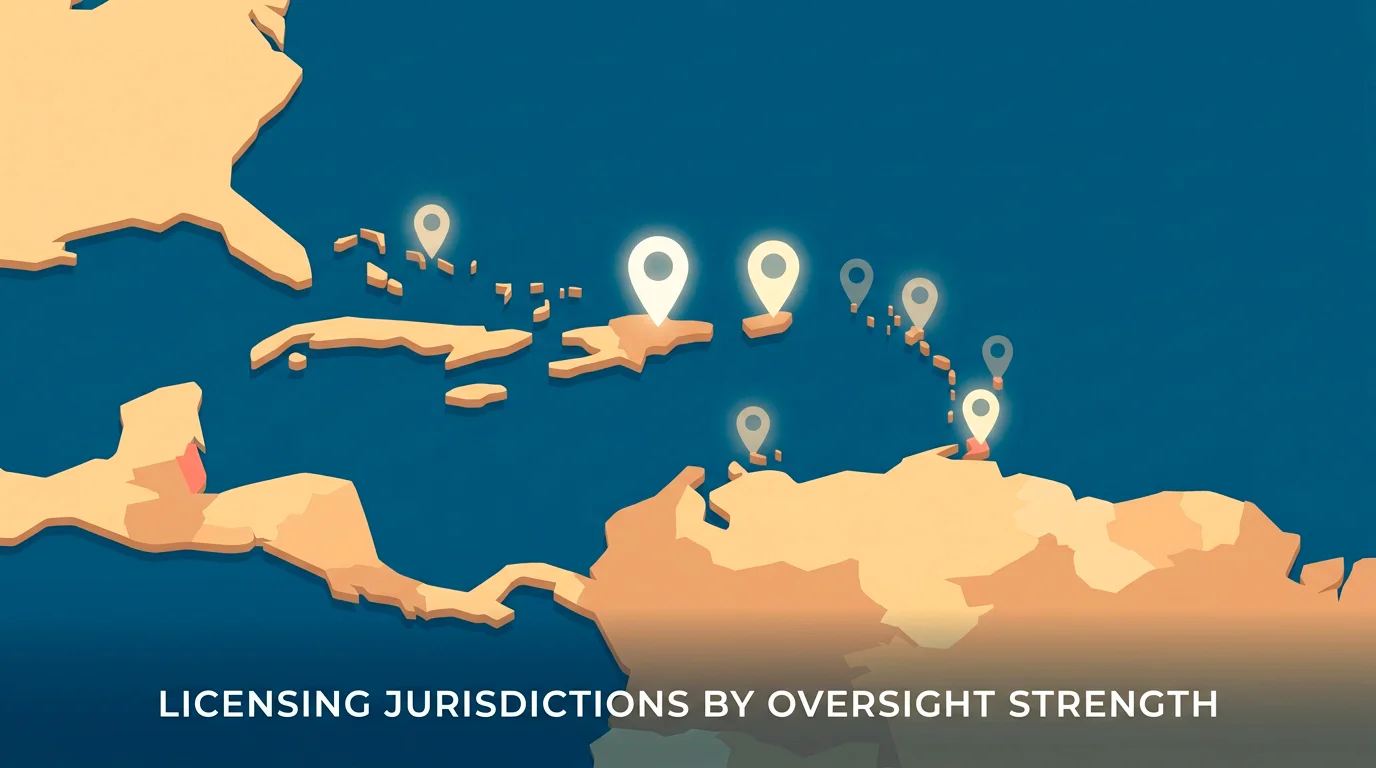
One persistent myth is worth flagging: Costa Rica is often cited as a gambling jurisdiction, but it does not actually issue gambling licences. Claims like that are exactly why verifying a licence on the regulator’s own register matters more than trusting a seal in a website footer.
If you want a side-by-side breakdown of Curaçao, Malta and Anjouan, the dedicated comparison goes through each regulator’s strengths and weak points.
The protections you give up offshore
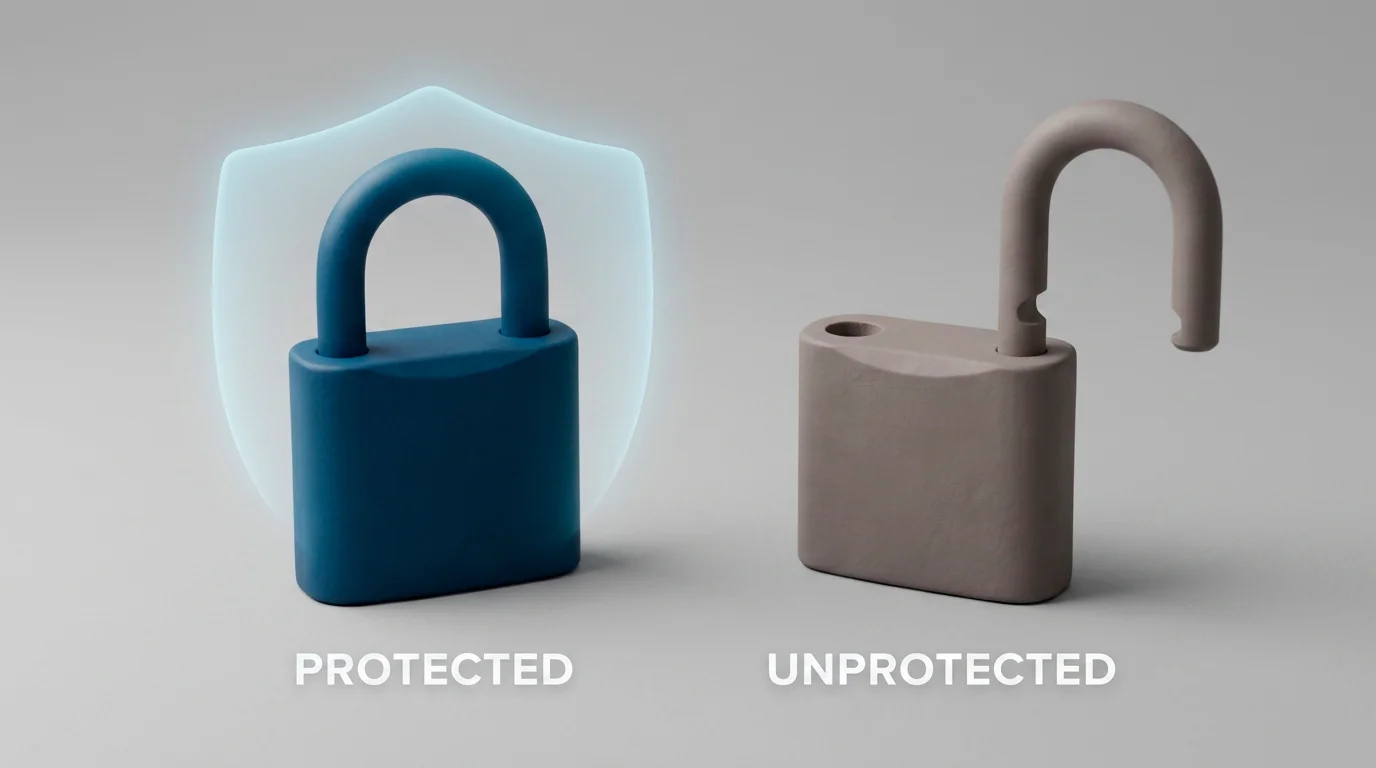
This is the part the promotional listicles tend to skip. UKGC regulation is not just paperwork; it is a bundle of consumer protections, and stepping outside it means leaving that bundle behind.
On a UK-licensed site you get access to UKGC-approved dispute resolution, rules on keeping player funds separate, fairness and game-testing requirements, and the GamStop self-exclusion safety net. Offshore, all of that depends entirely on the weaker local licence.
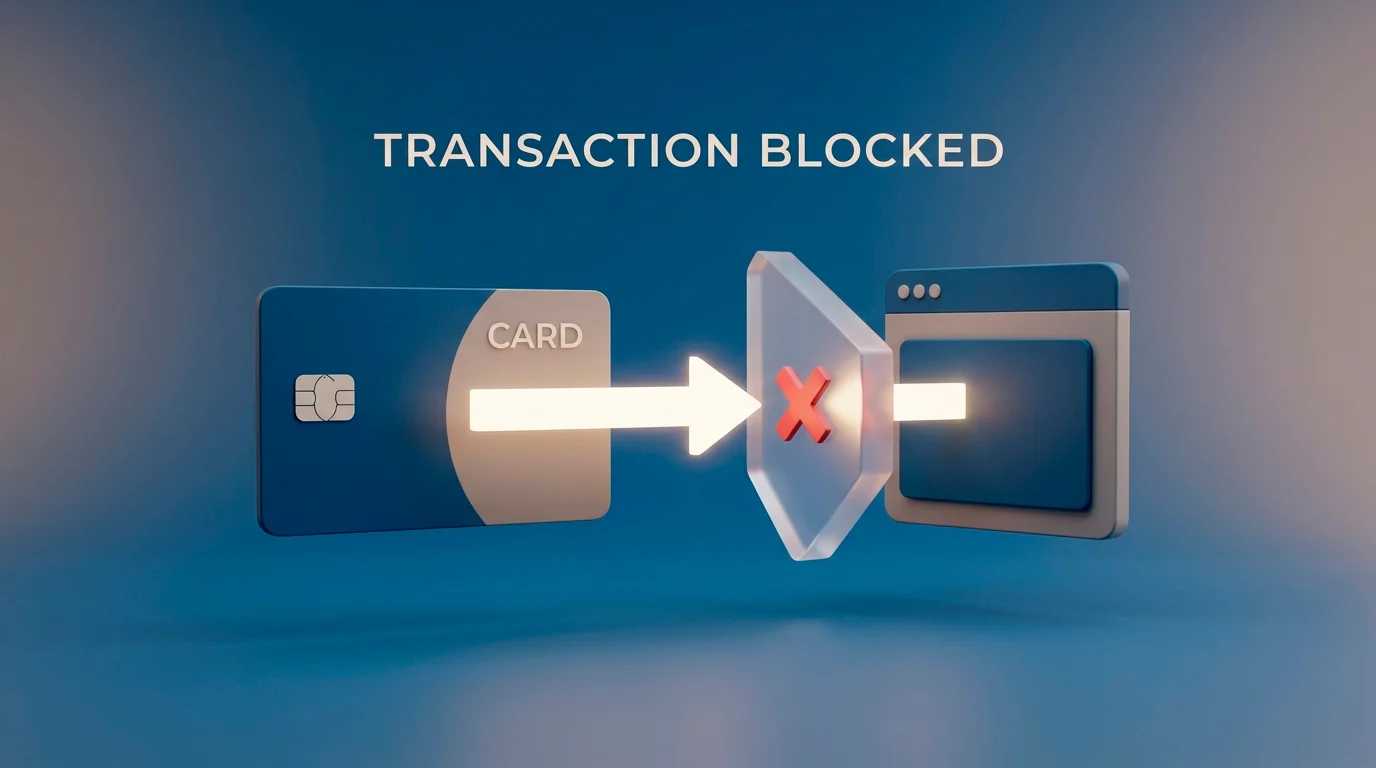
There are practical frictions, too. Some UK banks block or flag payments to unlicensed gambling sites, and a civil claim against an offshore operator is often difficult to enforce in a UK court. If a withdrawal is refused, your options can be very limited.
Our full breakdown of the risks of playing outside the UKGC covers each protection in turn, so you can see precisely what changes hands.
Weighing the appeal against the risks
People do not look at these sites in a vacuum. They are usually drawn by specific features, so it is fair to set out the appeal honestly alongside the cost. The point is not to sell either side, but to let you judge the trade.
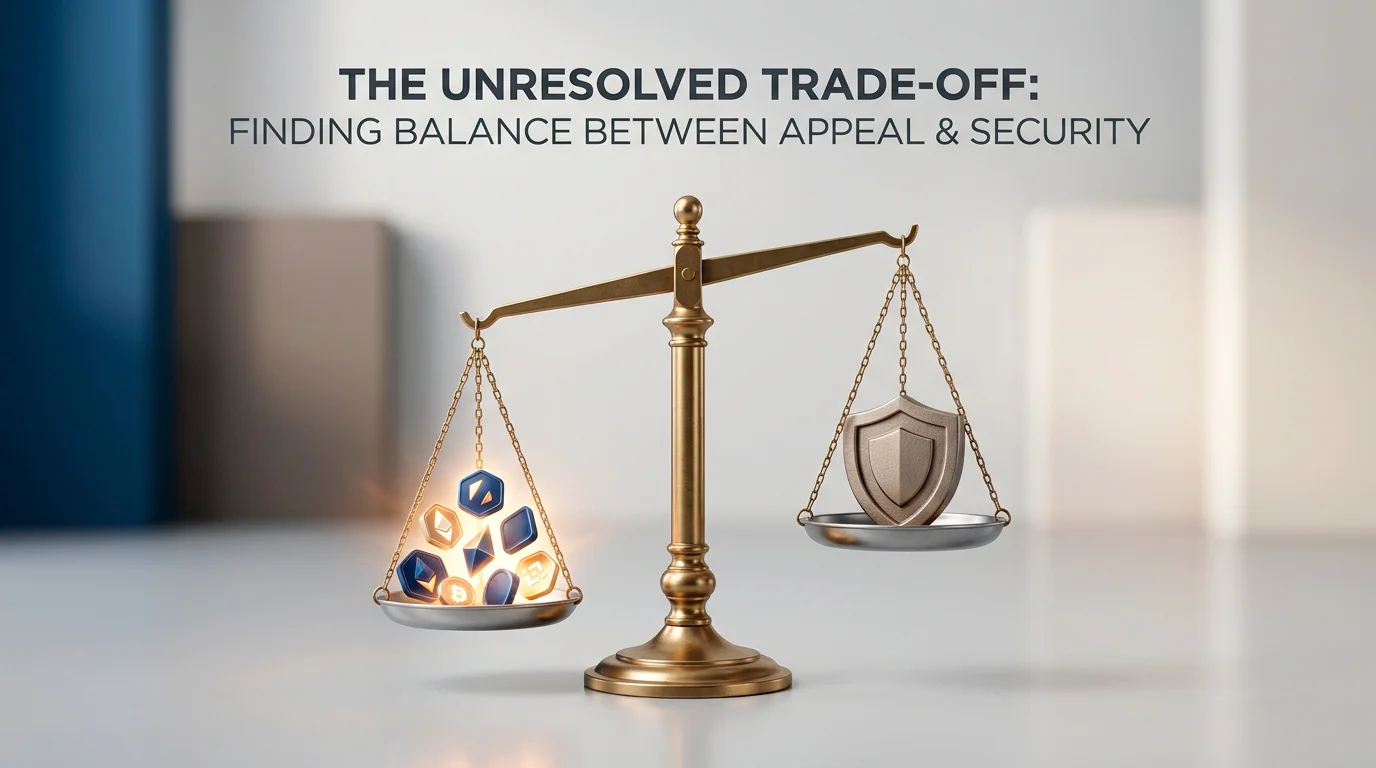
What players say draws them
- Fewer affordability and friction checks during play
- Crypto and wider e-wallet options not common on UK sites
- Larger headline bonuses and looser wagering on some sites
- Access for those already self-excluded on GamStop
What it costs you
- No UKGC consumer protection or approved dispute resolution
- Weaker or unclear rules on keeping your funds safe
- KYC checks that can resurface at withdrawal and stall payouts
- Removal of the self-exclusion barrier you may have chosen on purpose
Notice that the final point appears on both sides. The same feature that some treat as a benefit, access despite self-exclusion, is, for anyone who registered with GamStop to stop, the single biggest risk on the page.
Why tighter UK rules push players abroad
Demand for these sites is not random. It tracks a wave of UK reform that has made the licensed market stricter and, for some players, less appealing. Understanding the policy backdrop explains the search trend better than any “best casino” pitch.
Since 2025, online slot stakes have been capped at £5 per spin for adults aged 25 and over and £2 per spin for 18 to 24-year-olds. Credit cards have been banned for gambling in Great Britain since April 2020. Affordability checks, slower spin speeds and tighter bonus rules have all arrived in the same period.
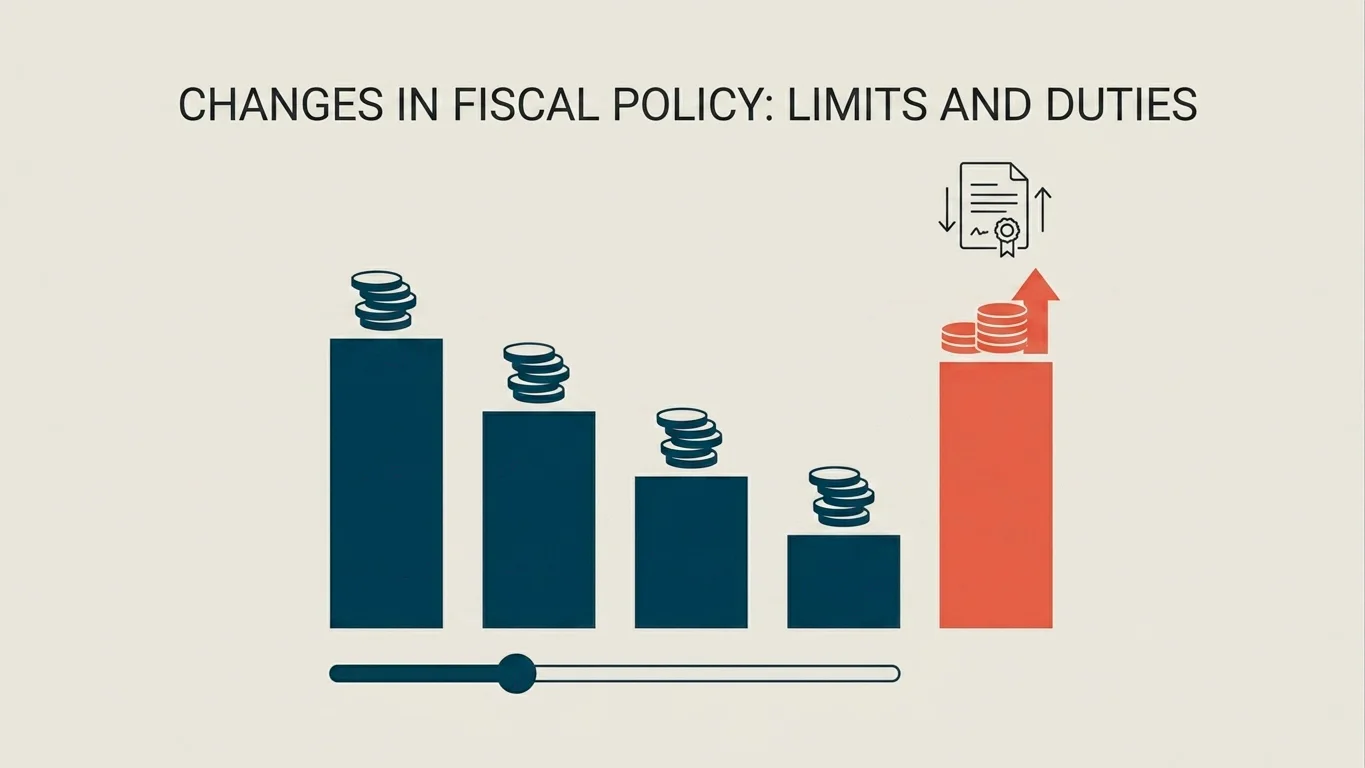
Then there is tax. Remote Gaming Duty rose from 21% to 40% from 1 April 2026, a near-doubling that the government expects operators to pass largely to players through worse odds and thinner bonuses. Regulators openly acknowledge that tighter rules risk pushing some players offshore.
If you want the policy detail and the numbers, our page on the 2026 stake limits and 40% duty traces how each measure feeds the trend. You can check the duty change directly at GOV.UK.
Payments, crypto and the no-verification claim
One of the loudest selling points for offshore casinos is payments: crypto deposits, big e-wallet flexibility and the promise of “no verification”. It pays to read that promise carefully.
Cryptocurrencies are largely absent from UK-licensed sites because of high anti-money-laundering compliance costs, so they have become a headline differentiator offshore. That convenience comes with a catch: crypto payments are hard to reverse, so a chargeback is rarely an option if a dispute arises.

The “no verification” framing is the one to watch most closely. In many cases the checks have not vanished; they have simply been moved to the point of withdrawal. A site that took your deposit instantly can still demand full identity documents before it lets you take winnings out, and that is a well-documented way payouts get delayed or denied.
We unpack payments and ID checks offshore in full, including how KYC-at-withdrawal actually plays out, so you know what to expect before you deposit a penny.
Where to go from here
If you have read this far, you already have what the promotional lists leave out: a clear picture of what “not on GamStop” means and what it costs. The practical next step depends on why you came looking.
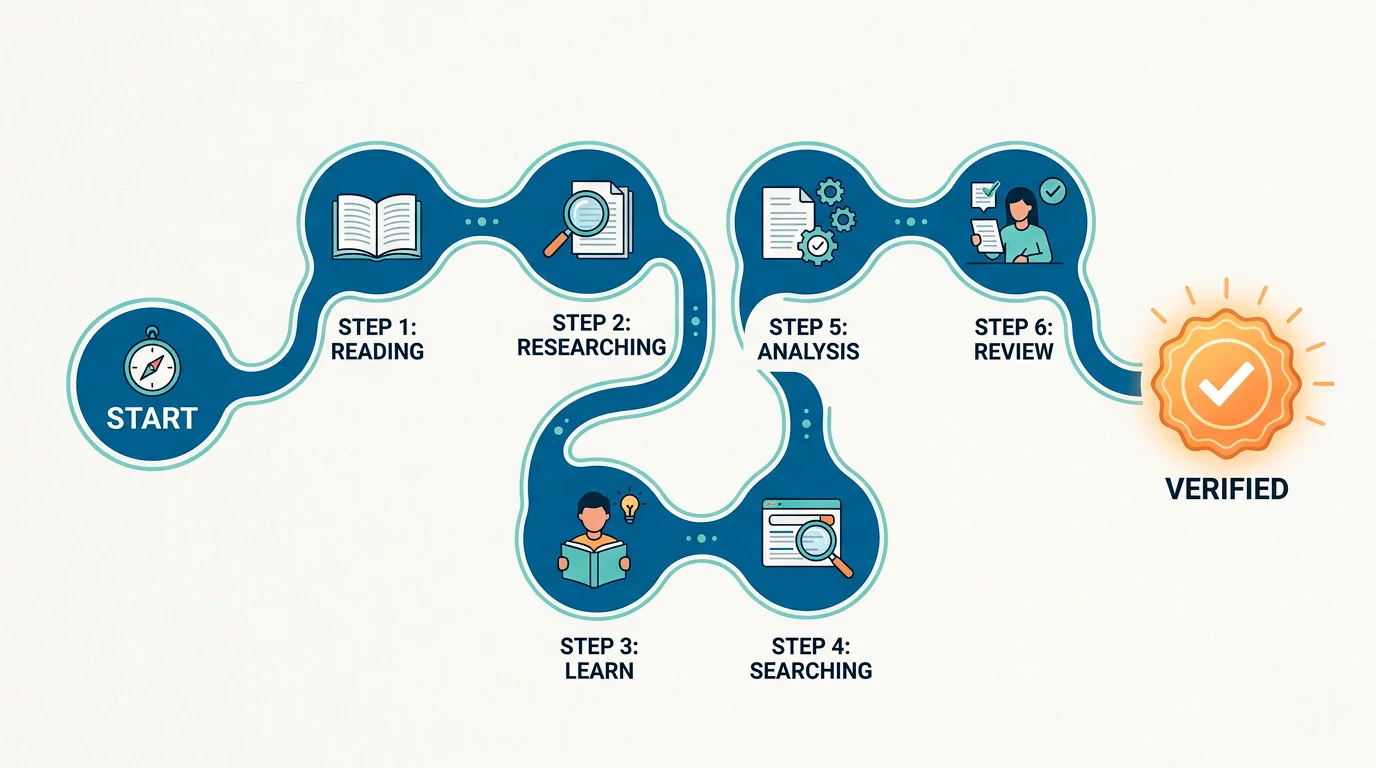
If you are simply trying to understand the landscape, follow the guide outward. Start with what GamStop can and cannot block, then look at offshore operators explained and, before anything else, how to verify a casino licence on a regulator’s own register.
If you registered with GamStop because gambling had stopped being fun, an offshore site is not a workaround worth taking; it removes the protection you chose. The support below is free, confidential and built for exactly that situation. There is no judgement here, only the honest reading of the trade you would be making.
If gambling stops feeling like a choice
Support in the UK is free, confidential and available around the clock. You do not have to wait until things feel serious. If your exclusion period has ended and you want to step back into the licensed market, there is an official way to come off GamStop that builds in a cooling-off period rather than an offshore shortcut.
- National Gambling Helpline (operated by GamCare): 0808 8020 133 – free, confidential, 24/7 across Great Britain, with live chat at gamcare.org.uk.
- BeGambleAware: information, tools and a service finder at gambleaware.org.
- GamStop: free online self-exclusion from all UK-licensed operators at gamstop.co.uk (six months, one year, five years, or five years with auto-renewal).
18+. Please gamble responsibly.
About the author
Daniel Fairhurst is a gambling regulation analyst who has spent more than a decade tracking how UK licensing rules, self-exclusion schemes and offshore operators interact. His work focuses on explaining GamStop, the UK Gambling Commission licensing framework and the practical and legal realities behind casinos that operate outside that system. He writes plain-language guidance aimed at helping British players understand the risks, protections and consumer rights involved before they make decisions, and regularly references primary regulatory sources and responsible-gambling bodies in his reporting.
More about Daniel Fairhurst and our editorial standards
Common questions answered
Is it legal to play at casinos not on GamStop in the UK?
For the individual player, yes – using an offshore, internationally licensed casino is not a criminal offence in the UK. The Gambling Act 2005 places the legal duty on the operator, not the player. Running or marketing an unlicensed casino to GB consumers is unlawful for the operator, but you are not prosecuted for accessing one. The catch is that you lose UK consumer protection entirely.
Are non-GamStop casinos safe?
“Safe” is the wrong frame; “protected” is the right one. These sites rely on weaker offshore licences, so there is no UKGC-approved dispute resolution, fund-safety rules vary, and your recourse if something goes wrong is limited. Safety depends heavily on the licence jurisdiction and the individual operator, which is why verifying the licence before depositing matters so much.
Can I gamble if I am self-excluded on GamStop?
Technically an offshore site will not check the GamStop register, so it will let you sign up. But if you self-excluded to take a break, doing this removes the very barrier you chose to put up. If that is your situation, the National Gambling Helpline on 0808 8020 133 is free, confidential and available 24/7.
What licences do casinos not on GamStop hold?
Commonly Malta (MGA), Gibraltar, the Isle of Man, Curaçao or Anjouan. Malta sits at the stronger end and Anjouan at the lighter-touch end. The badge in a site footer is only a claim – always confirm a current licence number on the relevant regulator’s own register.
Can I use a debit card or crypto at a non-GamStop casino?
Often, yes. Debit cards and e-wallets are widely accepted, and cryptocurrencies are a headline feature offshore precisely because they are rare on UK-licensed sites. Note that credit cards are banned for gambling in Great Britain, and crypto payments are hard to reverse if a dispute arises.
Will my UK bank block payments to these sites?
Some banks do block or flag transactions to unlicensed gambling sites, and enforcement against offshore operators stepped up in 2026. Whether a specific payment goes through varies by bank and by site, so it is not something you can rely on either way.
How do I check an offshore casino’s licence?
Find the licence number the site displays, then verify it directly on the issuing regulator’s public register rather than trusting the casino’s word or a footer seal. Our guide on how to verify a casino licence walks through this step by step, including the registers to use for each jurisdiction.